MAX KAUNG
MECHANICAL ENGINEERING / AEROSPACE · NORTHWESTERN UNIVERSITY

Max Kaung

ENGINEERING PORTFOLIO

BS/MS student in Materials Science and Mechanical Engineering at Northwestern, concentrating in aerospace. I work across liquid rocket propulsion, solar car suspension, drone research, and assistive device design, moving between hand calculations, CAD, FEA, and the shop floor.

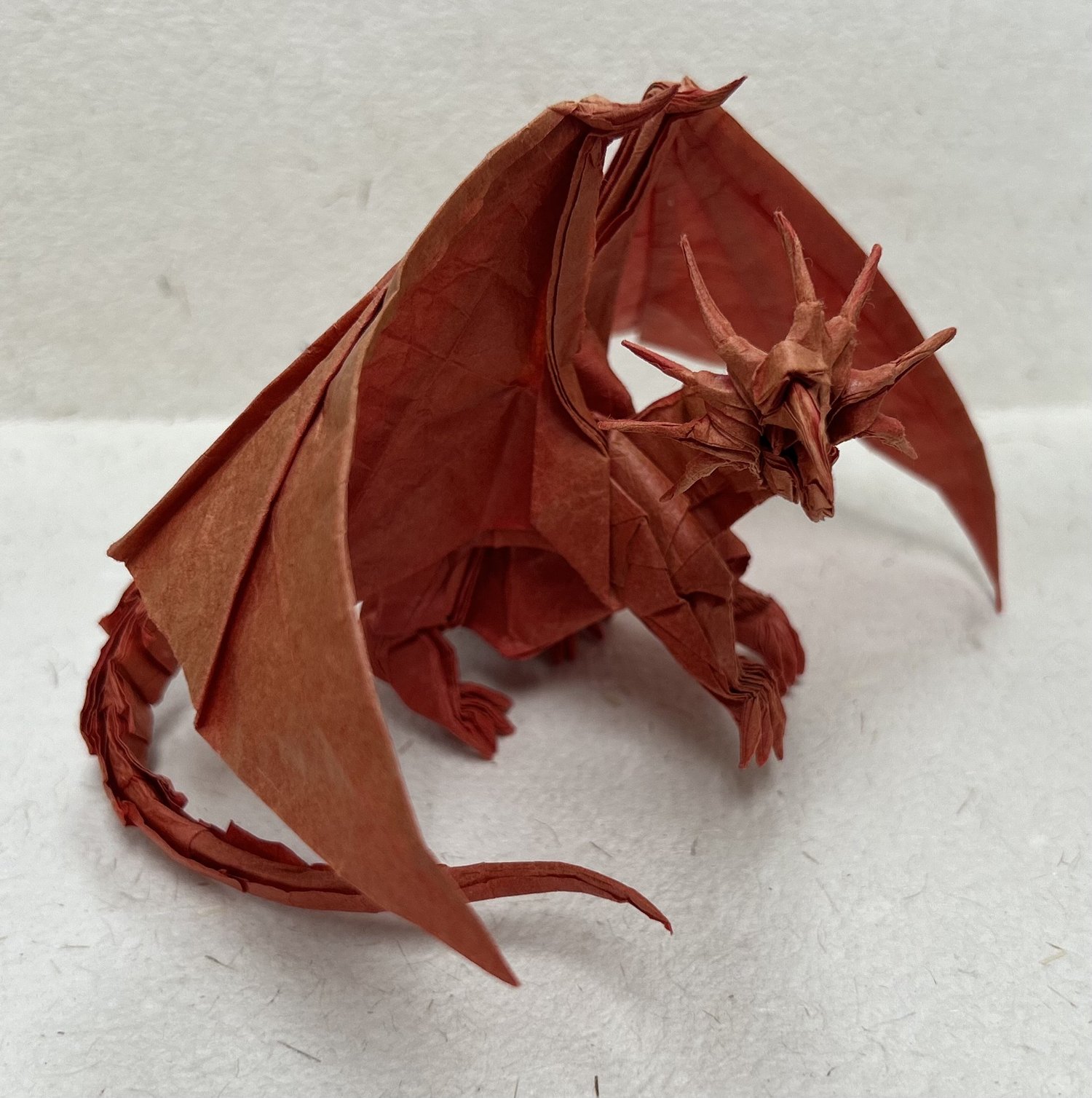
The dragon alongside is mine too, folded from a single uncut sheet. I want to carry that same folding discipline and mechanical intuition into aerospace and robotics engineering, where those same skills and mechanisms show up in deployable structures and compliant mechanisms.

An origami dragon, hand-folded from red paper, wings spread
Origami dragon, folded by hand
PROJECTS
01Liquid Propulsion Nozzle 02Solar Car Suspension 03Drone Pathing Research 04Paper Additive Research 05Extend-a-Stick Cane 06EasyPour Dispenser
PROJECT 01 / 06 · NUSTARS, NORTHWESTERN AEROSPACE TEAM

Liquid Propulsion Nozzle

Propulsion, nozzle design IN PROGRESS

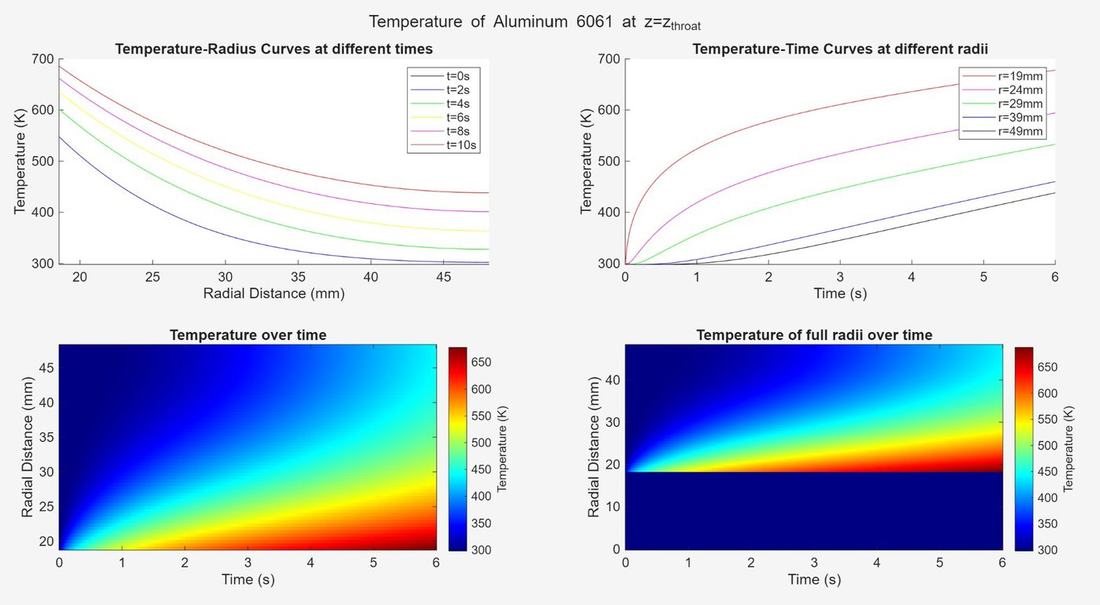
Helped develop a finite difference method (FDM) model for heat transfer in the nozzle, built in MATLAB with an implicit 2D scheme, to back up ANSYS results, learning the underlying FDM theory to expand the model.

  • Built the MATLAB data analysis and visualization for temperature, flux, and stress data, including a function that incorporates temperature-varying material properties into the model.
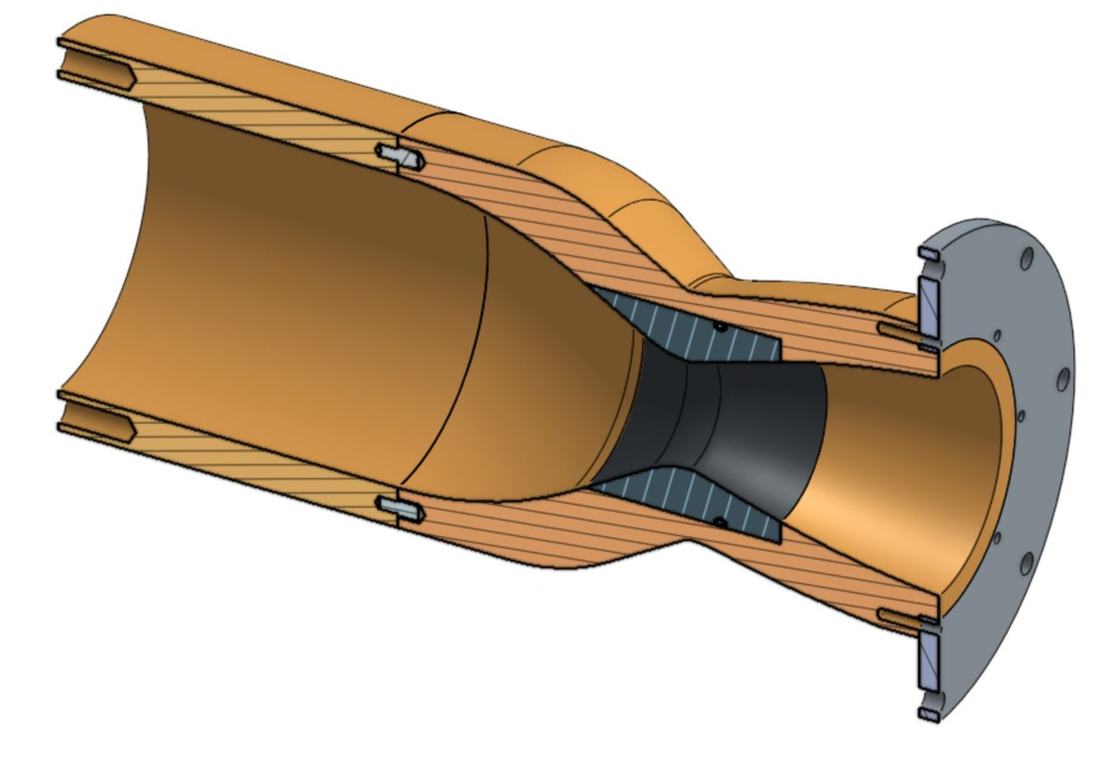
  • Drove the nozzle design and materials research, a throat insert and separated chambers with alignment pins keep performance up at high temperature while cutting cost, with further work on pin and o-ring tolerances.
  • Presented the design in a preliminary design review to the propulsion chief engineer, including coupled thermal, fluid, and structural FEA with the analysis team.
314.85 psiamax chamber pressure, design case
585.80 psiahydrostatic test target (1.5× margin)
453 Kpeak modeled engine temperature
MATLAB ANSYS SolidWorks
Current work The nozzle team presented its preliminary design review and is manufacturing the nozzle in-house now, ahead of hydrostatic testing and a target hot-fire in Fall 2026.
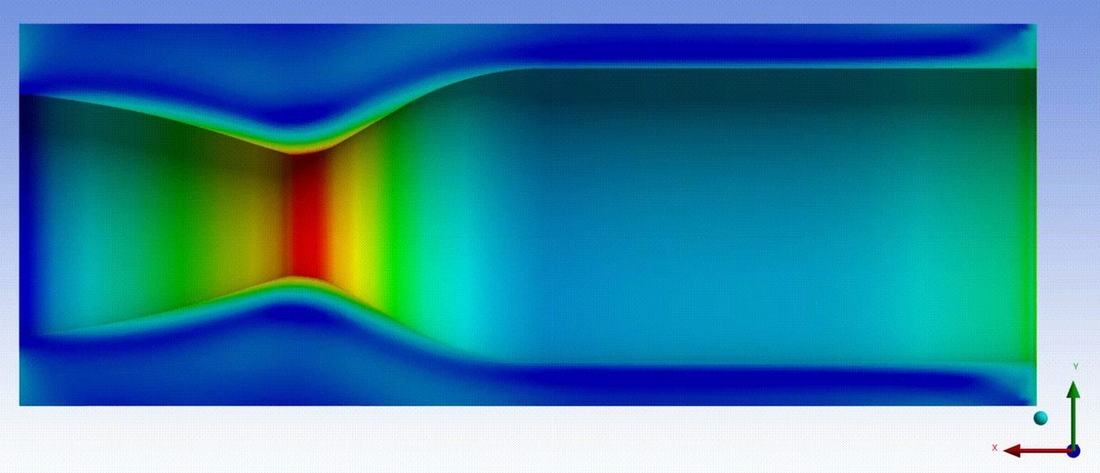
ANSYS heat transfer contour through the nozzle wall
ANSYS heat-transfer contour
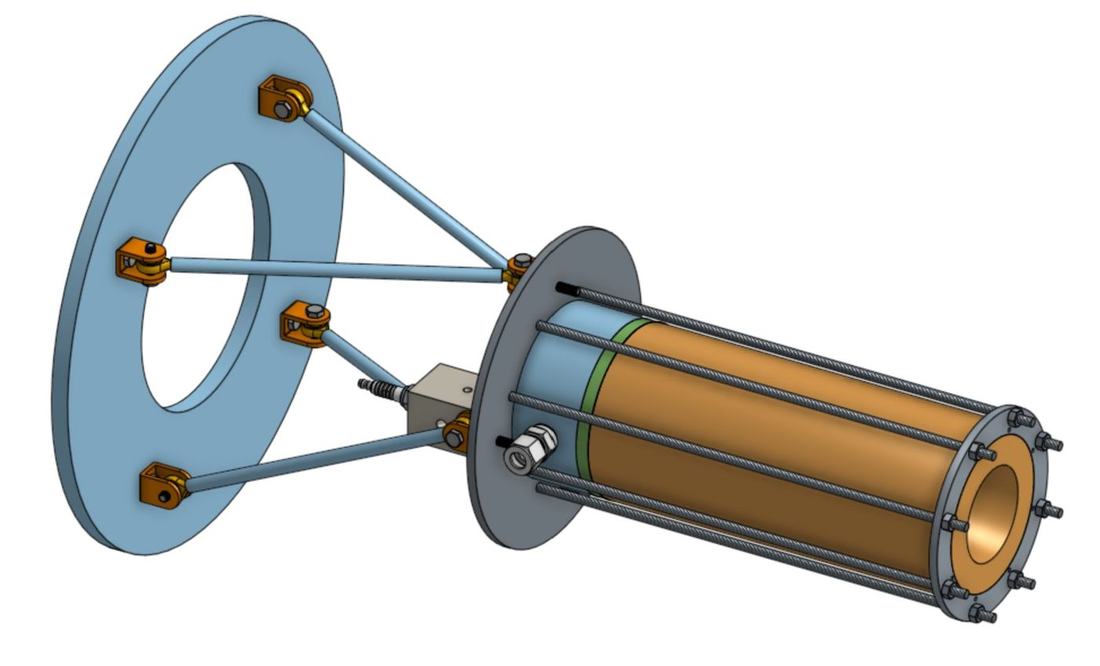
CAD assembly of nozzle, injector, and igniter
Nozzle / injector / igniter assembly
Cutaway render of the final nozzle assembly
Final nozzle assembly, cutaway
MATLAB finite difference method temperature plots
FDM temperature results, MATLAB
PROJECT 02 / 06 · NORTHWESTERN SOLAR CAR, SUSPENSION SUBTEAM

Solar Car Suspension

Suspension & brake design RACED · NEW CYCLE

The car's front suspension had a warped rotor and seized calipers. Redesigned all four rotors to fit new calipers while minimizing weight, then designed a new rear brake bracket to go with them.

  • Ran brake calculations and a cost analysis to select the replacement calipers.
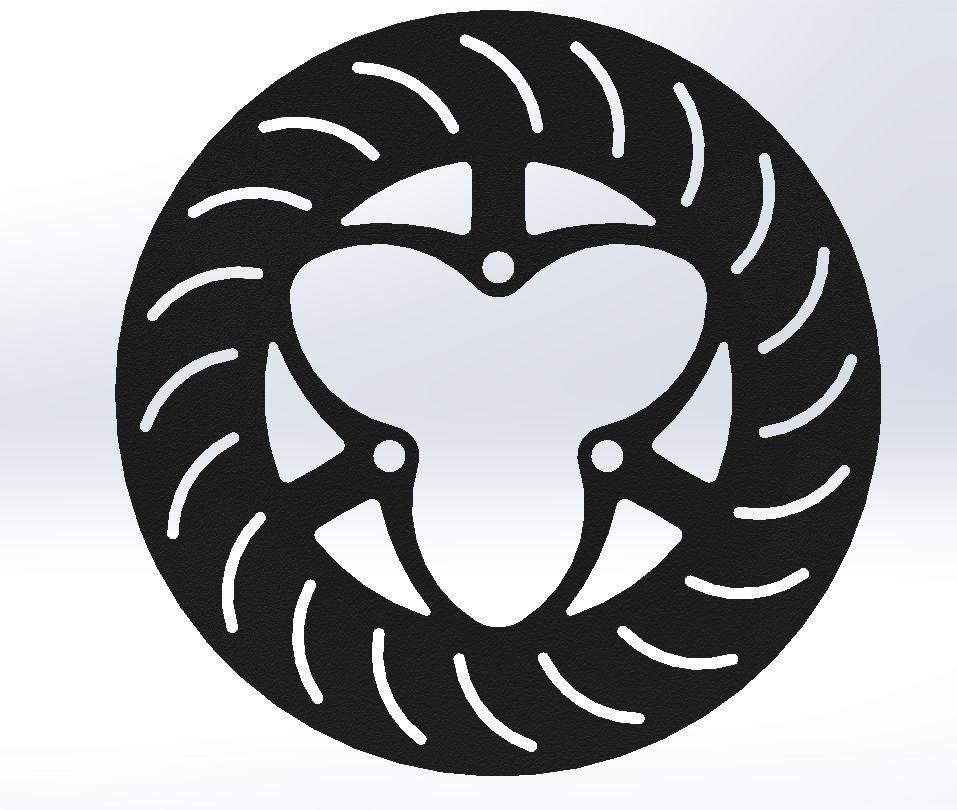
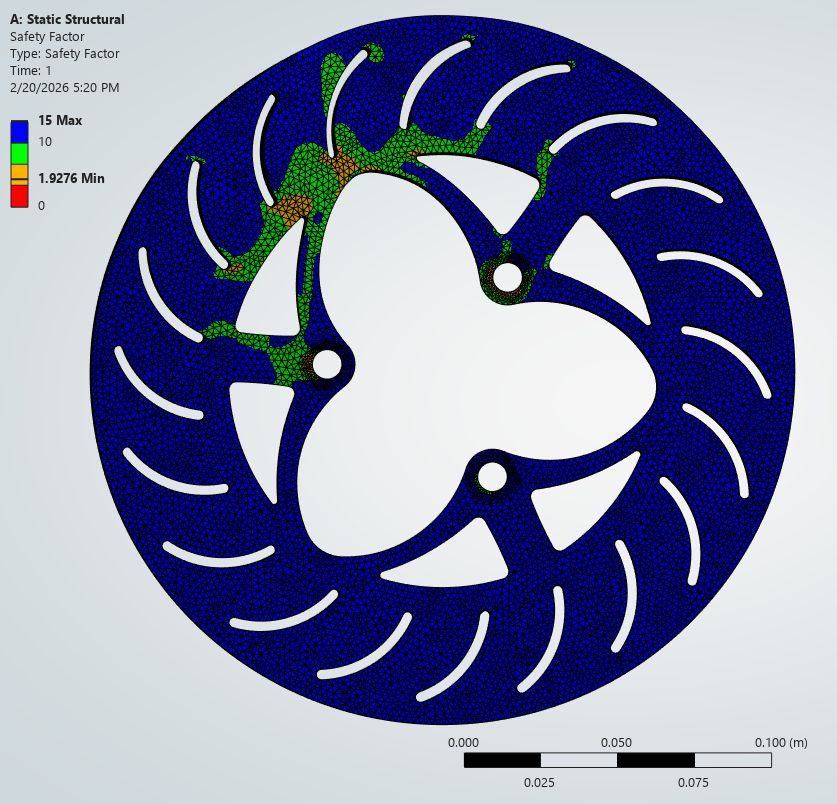
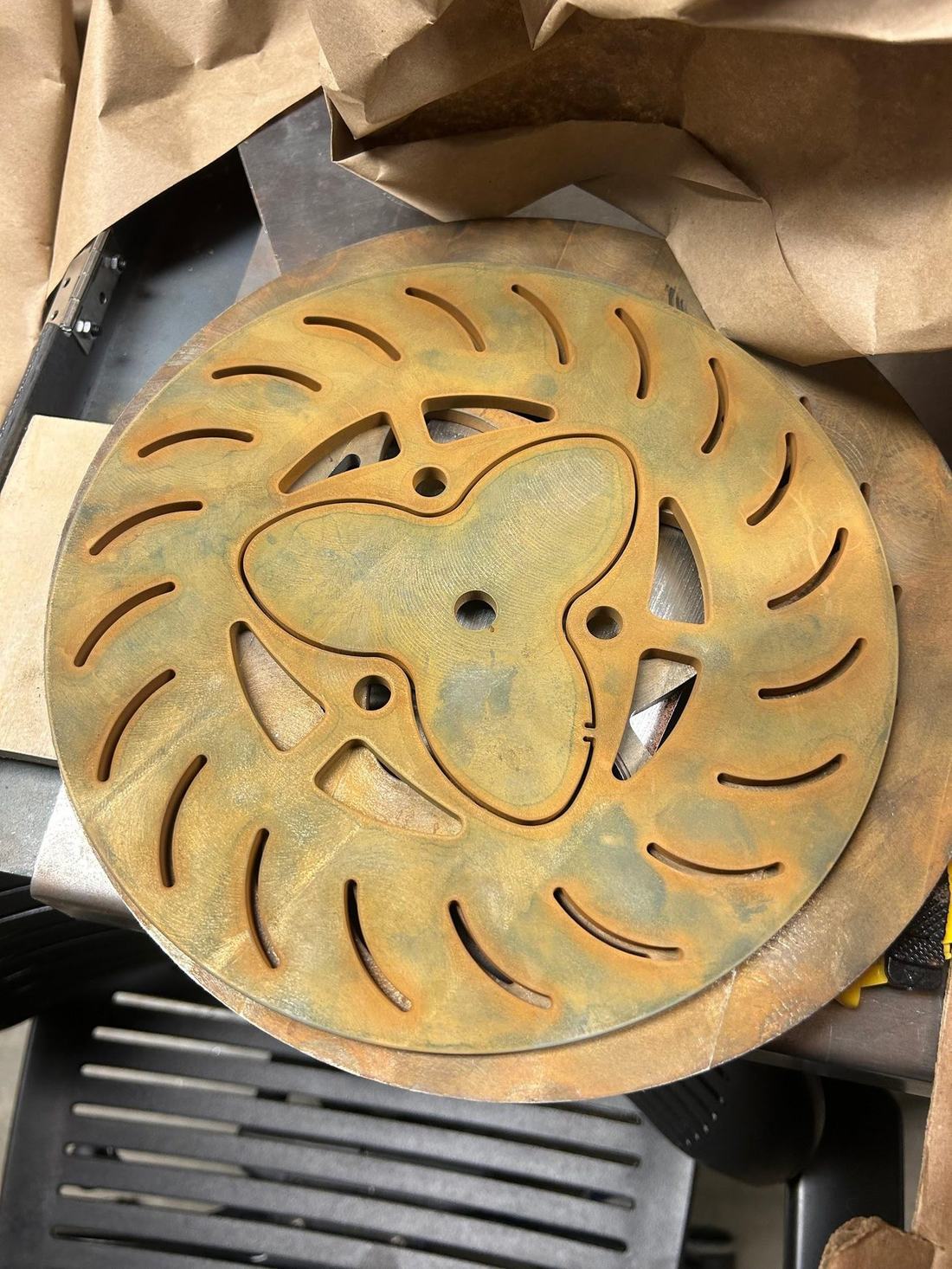
  • Redesigned the rotors with a larger annulus for brake pad contact and a higher factor of safety, validated in ANSYS FEA.
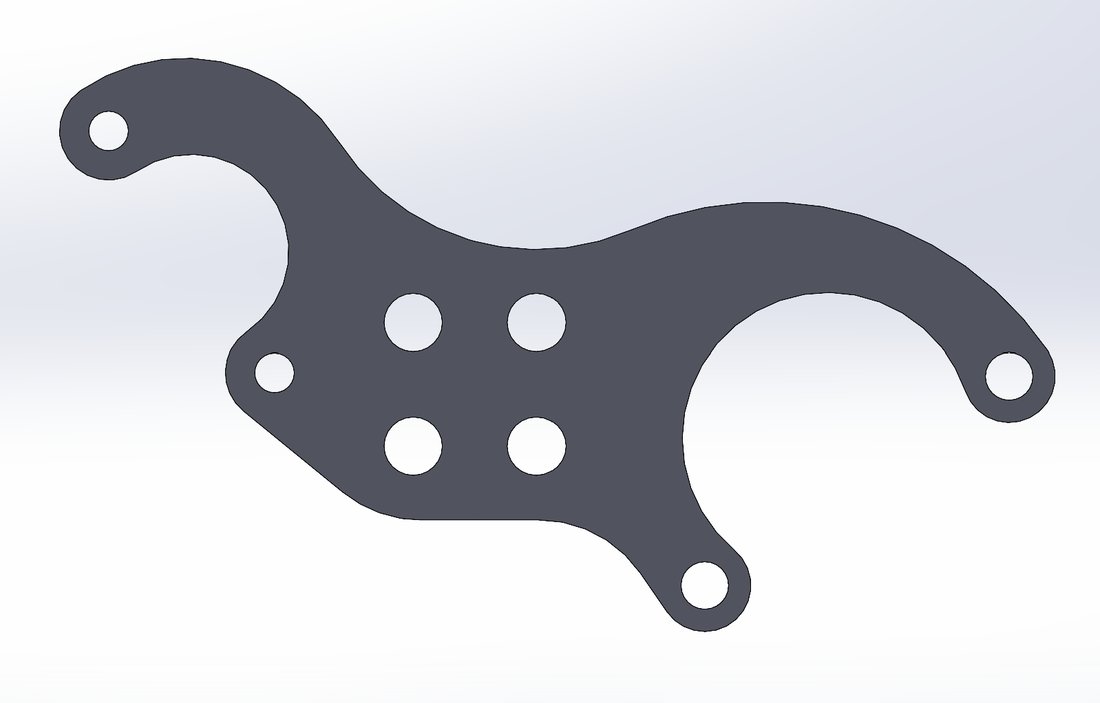
  • Designed a new rear brake bracket mounting both the pedal-brake and parking-brake calipers to the trailing arm, and verified it in FEA against three braking load cases derived from the car's ASC regulations.
  • Manufactured the rotors in-house, gaining hands-on experience with the conversational mill, waterjet, and surface grinder.
1.19 → 1.93rotor factor of safety
2.58 lbfront rotor weight
1.86 lbrear rotor weight
ANSYS FEA SolidWorks Waterjet Mill
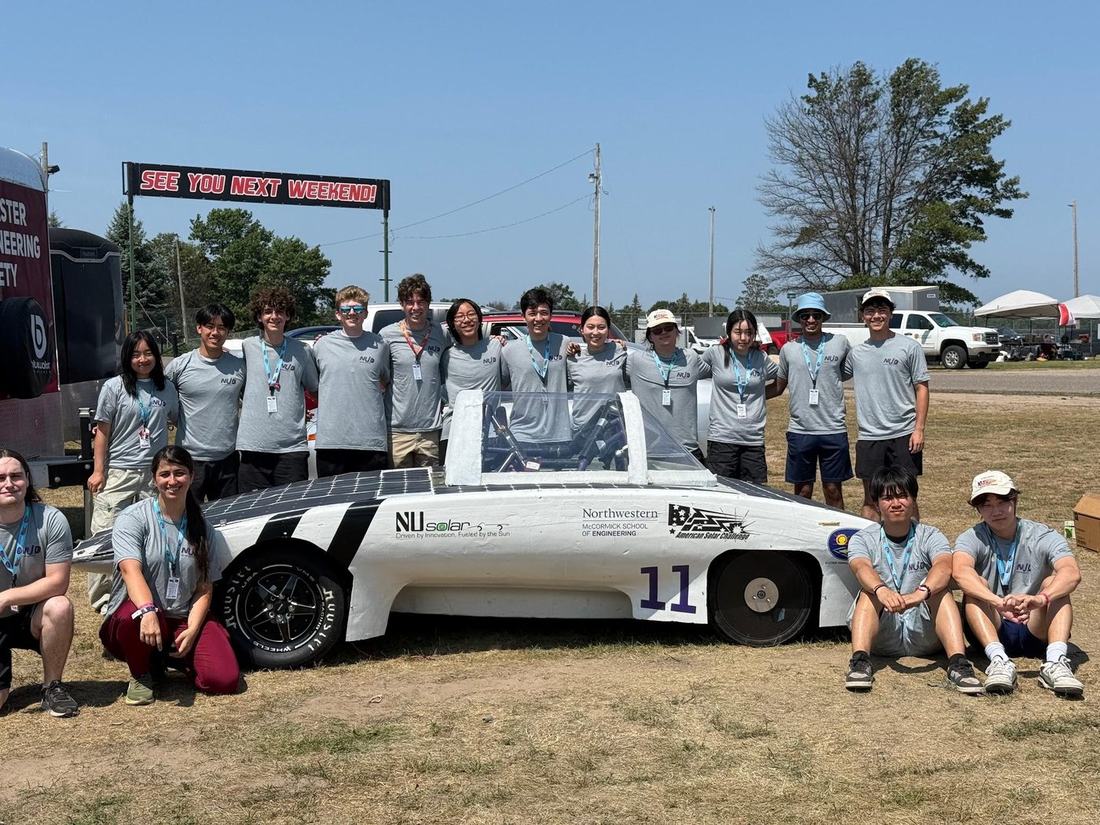
Current work The team recently returned from the 2026 Formula Sun Grand Prix. Now serving as suspension co-lead for the next design cycle, leading the design of a new 3-wheel suspension system for the 9th-generation car, working from the 2026 ASC regulations.
The original warped, corroded brake rotor
Original rotor, warped and corroded
Redesigned rotor CAD render
Redesigned rotor
ANSYS static structural safety factor analysis of the rotor
ANSYS safety-factor analysis
Northwestern Solar Car team with the car at competition
Team at Formula Sun Grand Prix
CAD render of the new rear brake bracket
Rear brake bracket, SolidWorks
PROJECT 03 / 06 · FLOW FIELD IMAGING LAB, UNIVERSITY OF MINNESOTA

Drone Wind Pathing Research

Research volunteer COMPLETED · SUMMER 2026

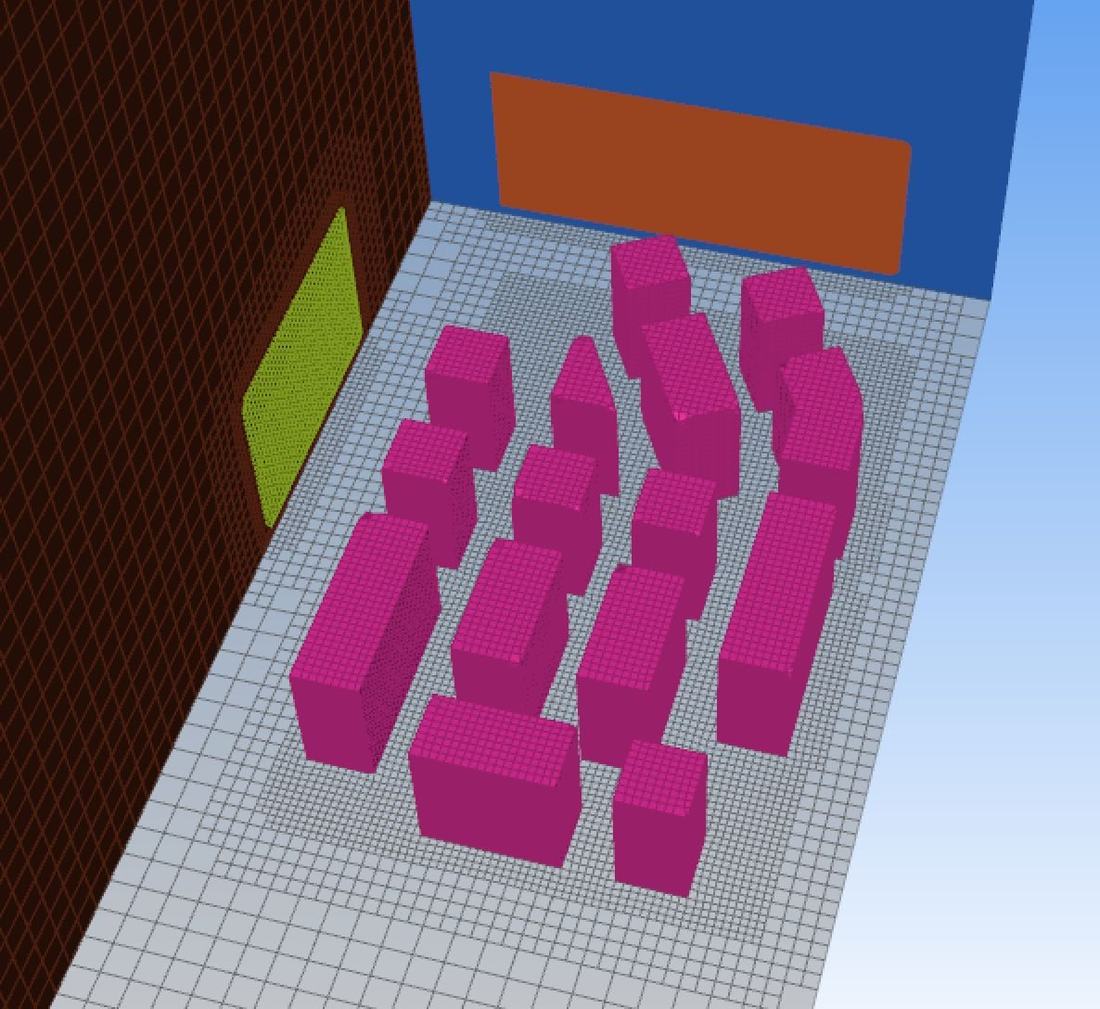
Research on wind-based route optimization for drones, focused on CFD-based design of a miniature city used to validate the pathing model.

  • Designed a miniature cityscape from cardboard and acrylic sheets for real-world validation of the drone pathing algorithm.
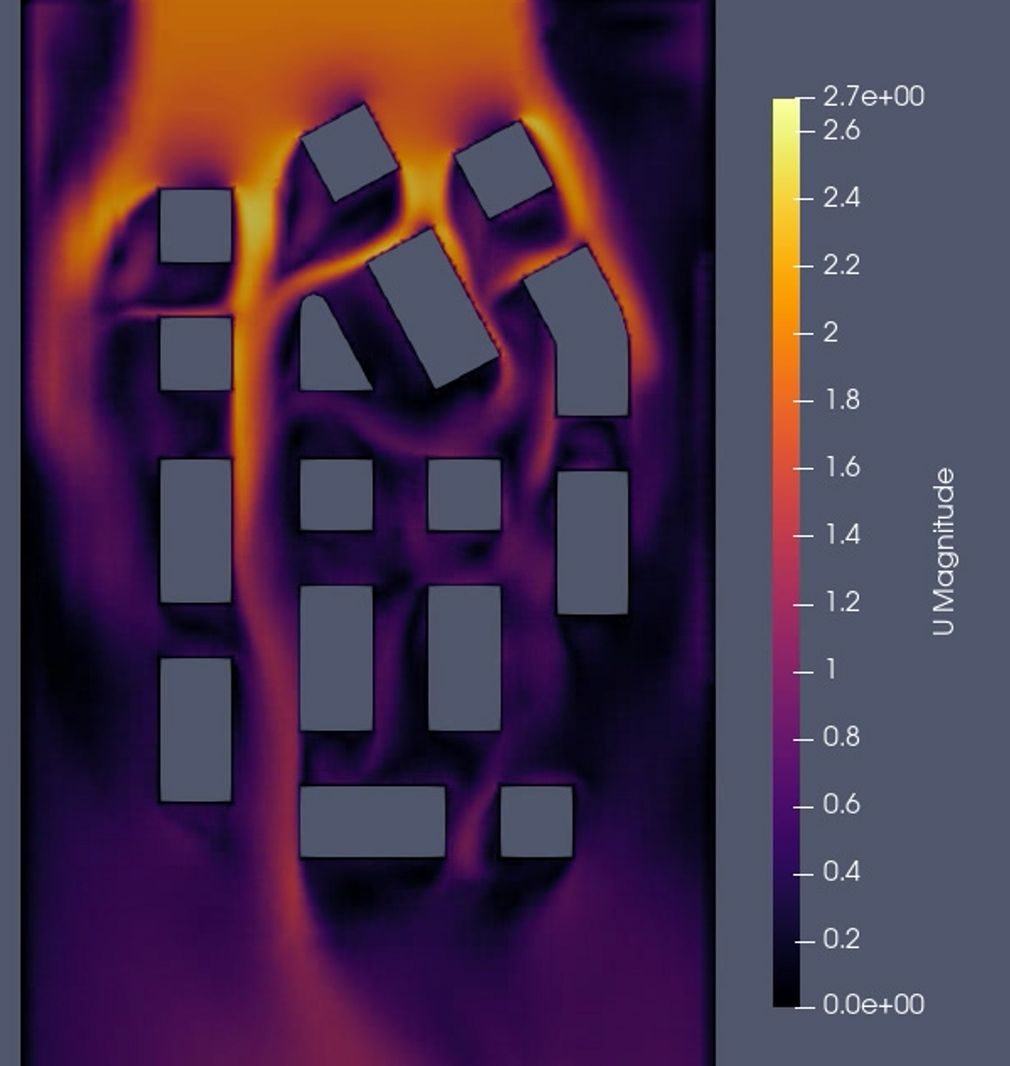
  • Used OpenFOAM CFD both to shape the city into a clear, optimized route, and to train the wind-field prediction model.
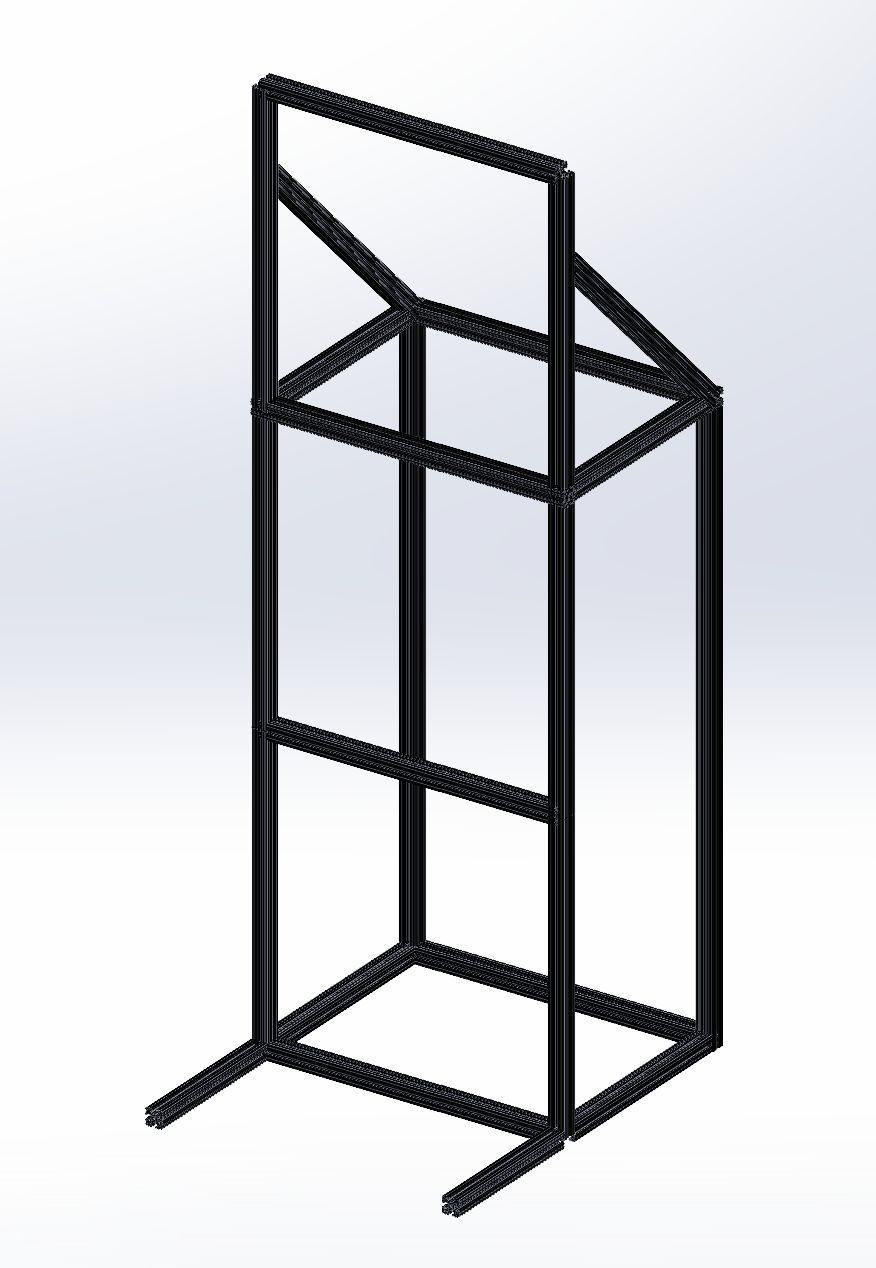
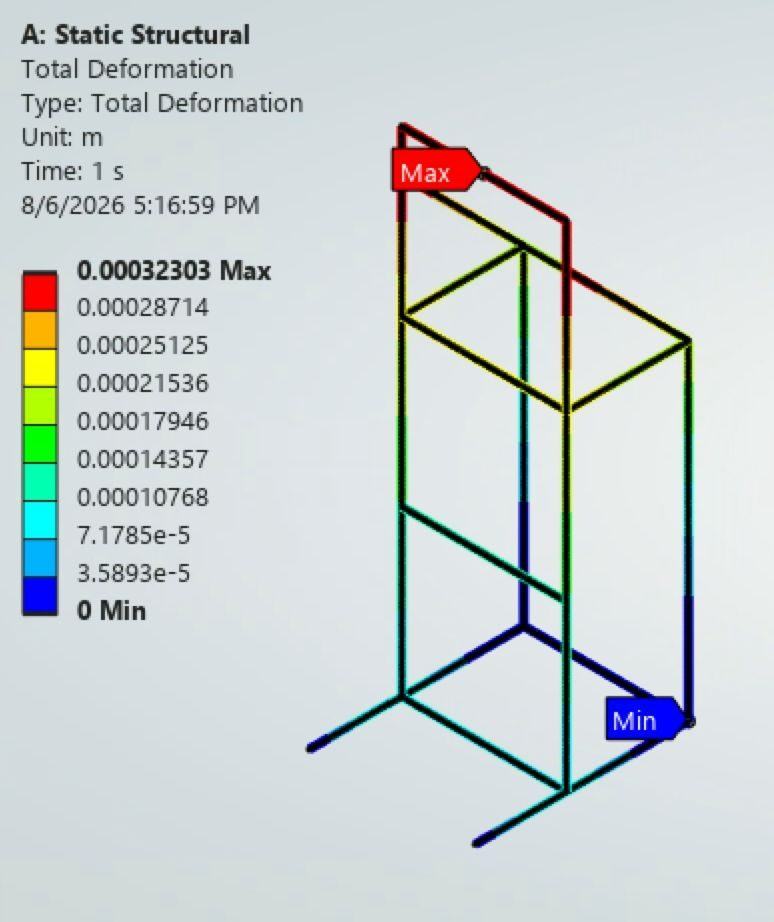
  • Constructed a research-level fan wall, built from t-slot aluminum framing, to generate the city's wind conditions, running structural and modal analysis to optimize it for strength and cost.
OpenFOAM CFD SolidWorks ANSYS FEA
CFD render of the miniature city model
Miniature city, CFD model
Wind velocity magnitude heatmap around city buildings
Wind velocity magnitude around buildings
T-slot aluminum frame for the fan wall
Fan wall frame, t-slot aluminum
Structural deformation analysis of the fan wall frame
Frame deformation analysis
PROJECT 04 / 06 · MINNETONKA RESEARCH / MINNESOTA CENTER FOR BOOK ARTS

Paper Additive Research Project

Independent researcher COMPLETED

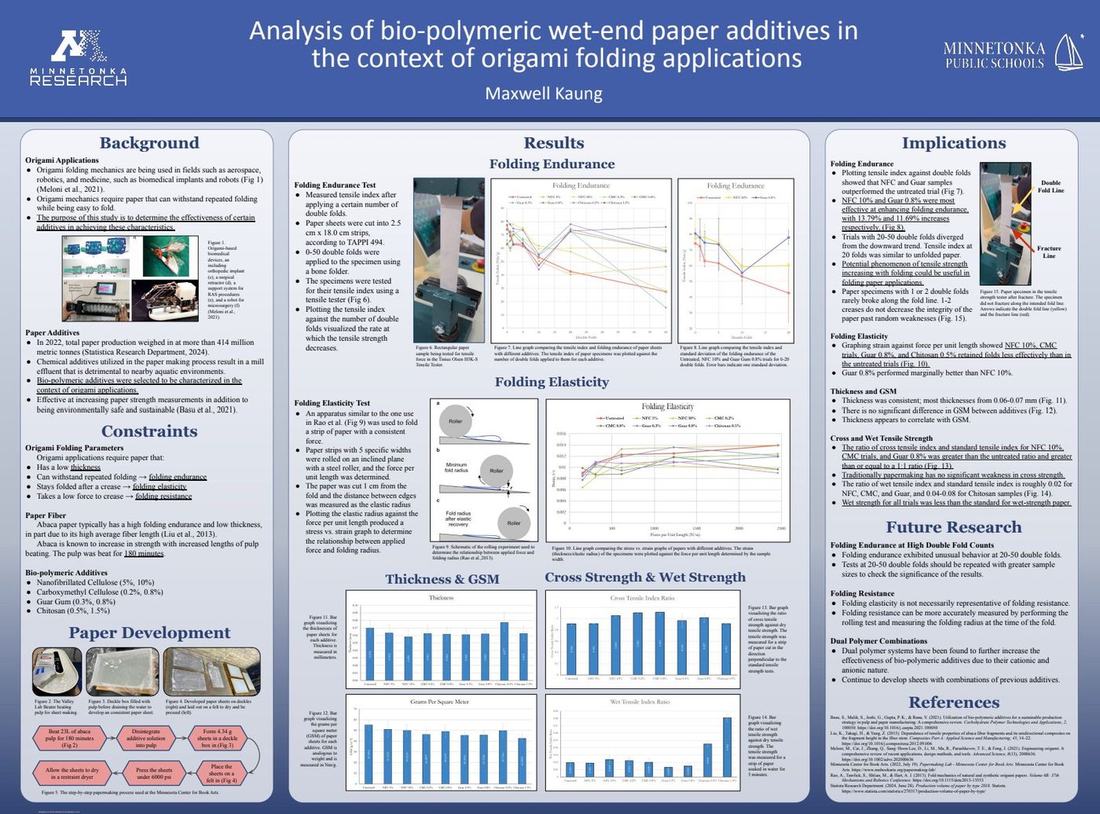
An independent research project on how bio-polymeric additives affect the folding strength of paper, in the context of origami applications.

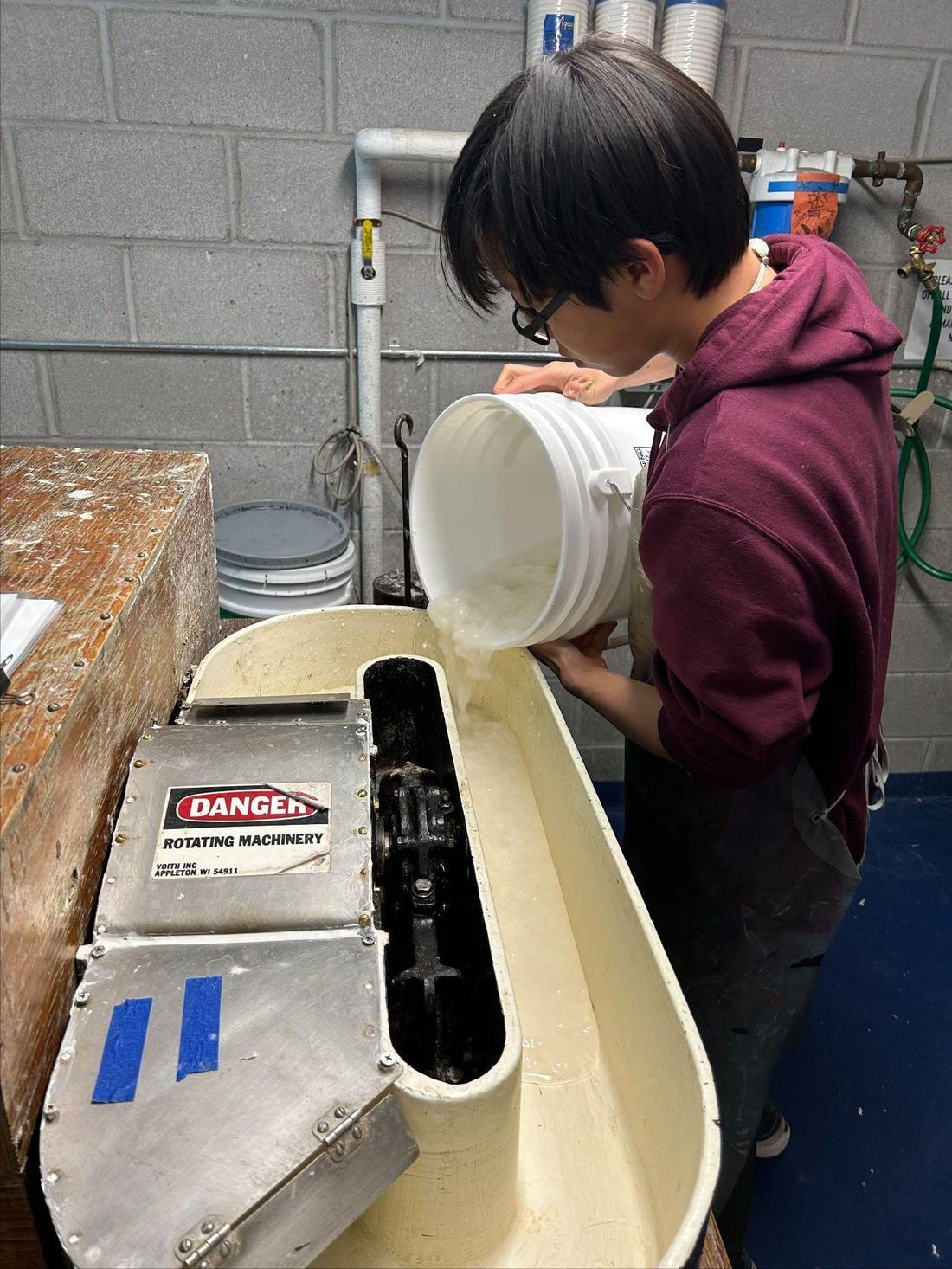
  • Hand-made abaca paper samples at the Minnesota Center for Book Arts, alongside a University of Minnesota mentor, at varying levels of biopolymeric additive.
  • Tested thickness, folding endurance, folding elasticity, and wet strength of each sample in a lab, then wrote the results up as a research paper.
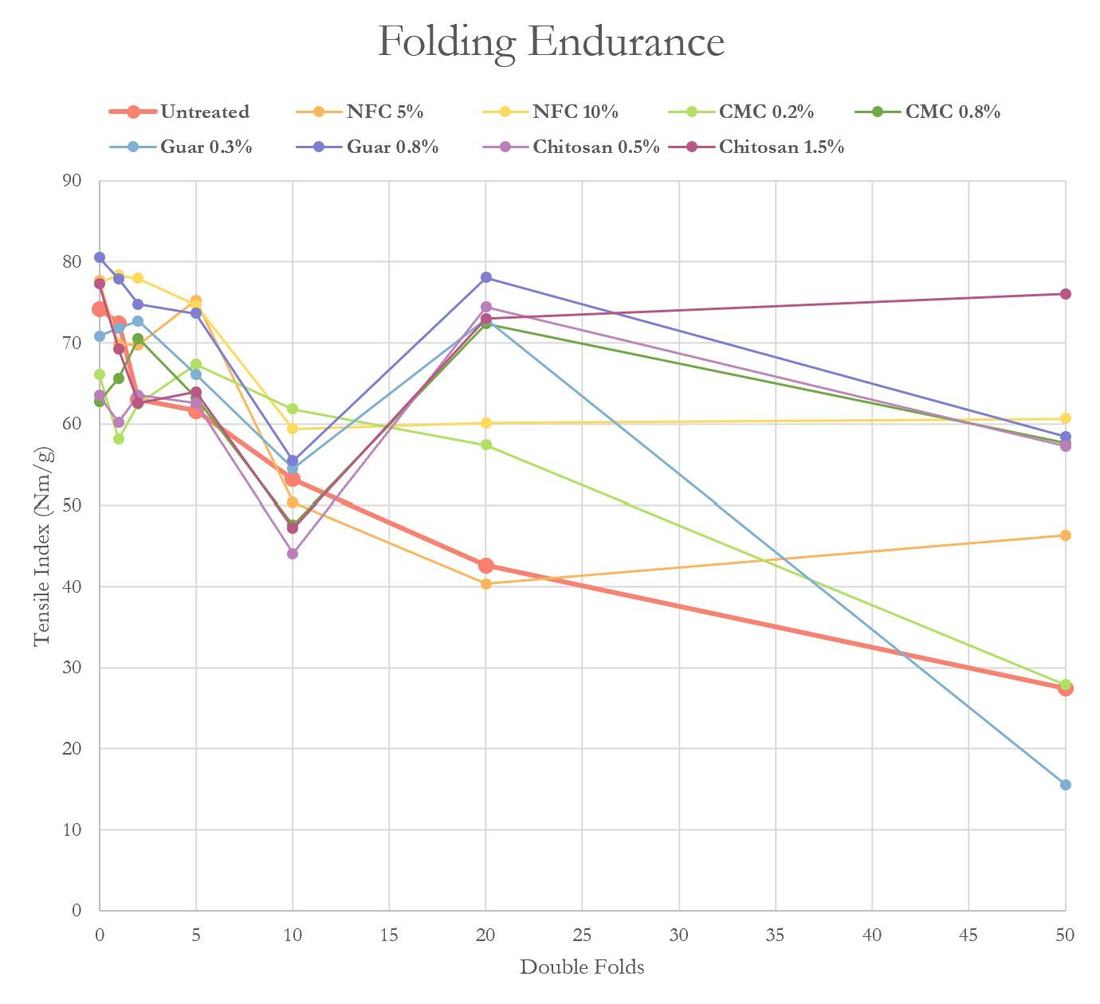
  • Quantified the effect of each additive on origami-relevant paper properties. 10% nanofibrillated cellulose and 0.8% guar gum gave the largest gains in folding endurance.
  • Earned the Silver Grand Award at the Minnesota State Science & Engineering Fair, plus a regional award from ASM International.
+13.78%folding endurance, 10% NFC
+11.69%folding endurance, 0.8% guar gum
8bio-additive combinations used
Top 10%of projects, Silver Grand Award
Mechanical testing Excel data analysis Project presentation
Pouring pulp during handmade papermaking
Forming paper sheets by hand
Folding endurance chart across additive types
Folding endurance by additive
Science fair research poster, Analysis of bio-polymeric wet-end paper additives in the context of origami folding applications
Minnesota State Science & Engineering Fair poster
PROJECT 05 / 06 · DESIGN THINKING & COMMUNICATION, NORTHWESTERN

Extend-a-StickExtendable Walking Stick

Team of 4, design lead COMPLETED · 12 WEEKS

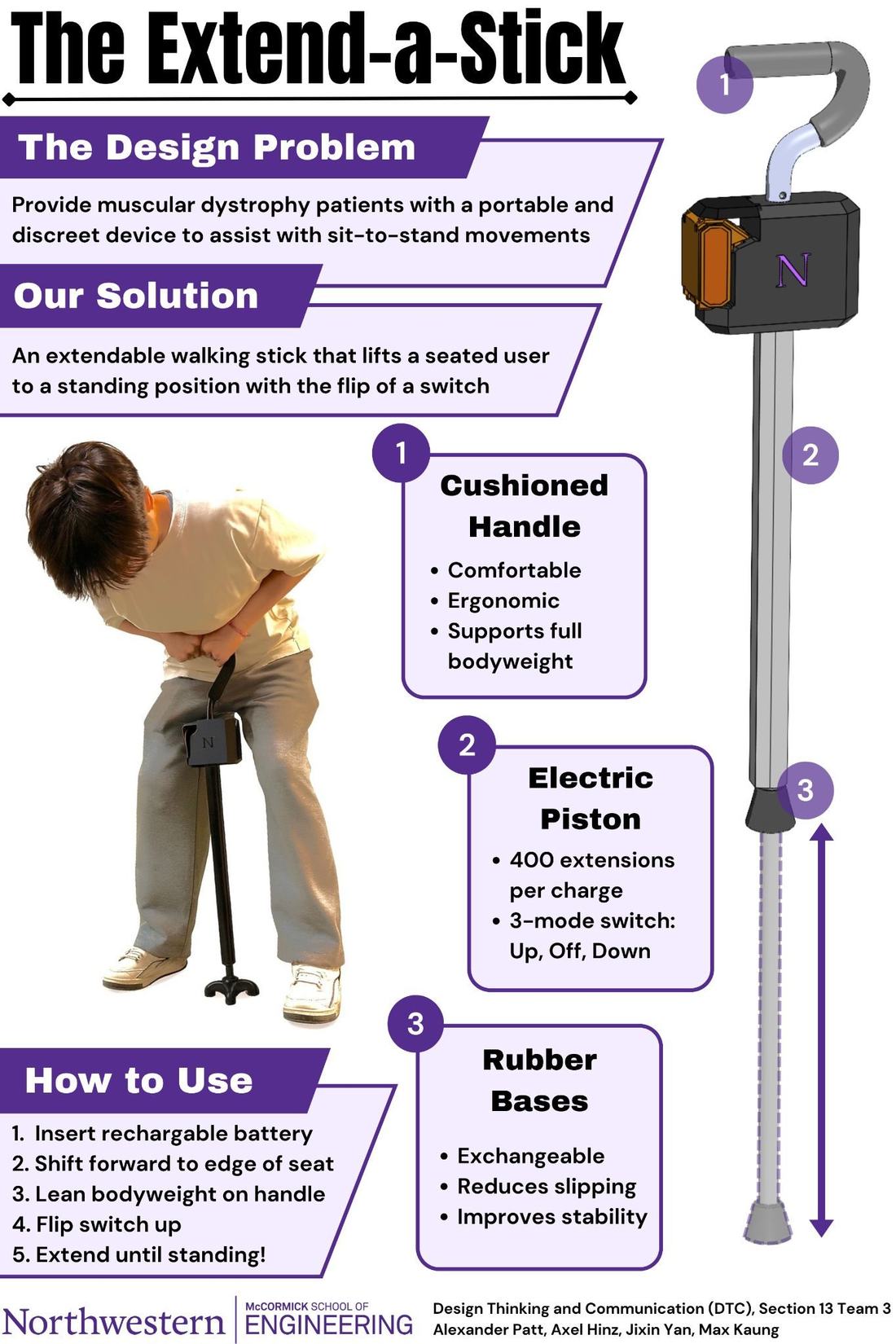
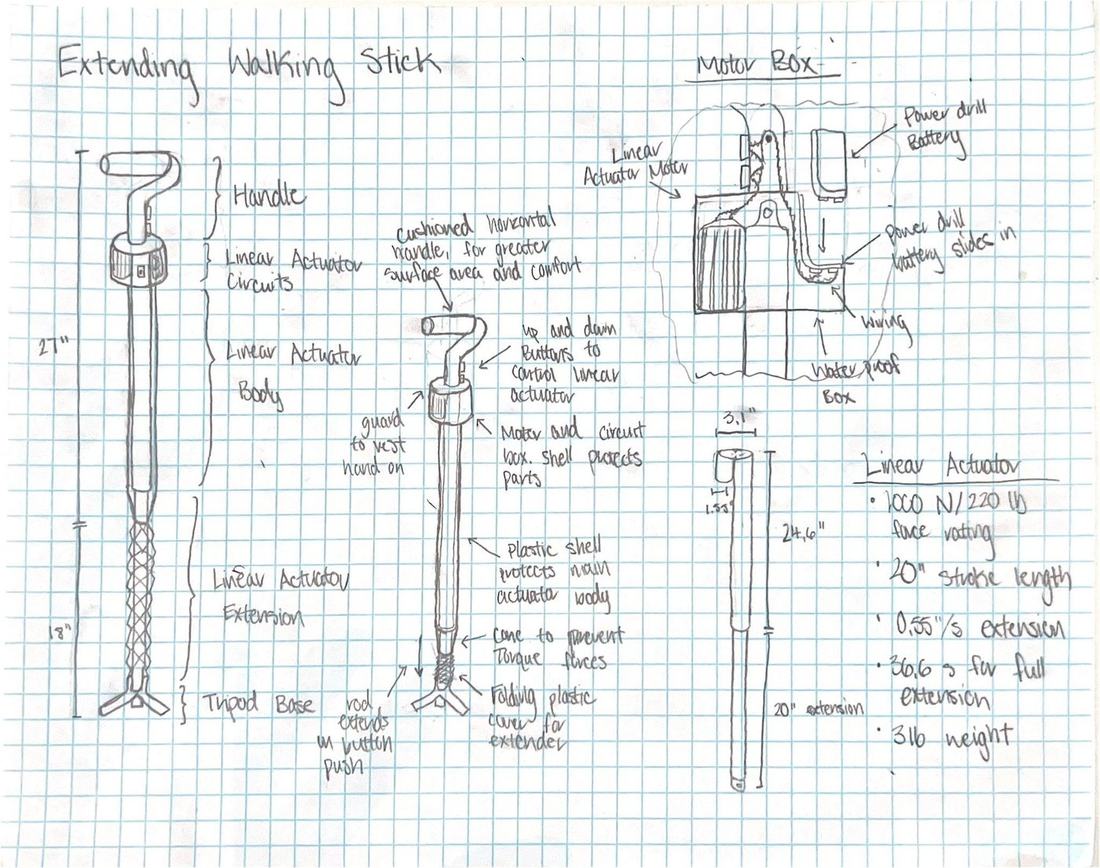
A client with muscular dystrophy needed a portable, discreet way to independently stand up from any chair. A team of four built an extendable walking stick that lifts a seated user with the flip of a switch.

  • The design was chosen through mock-up testing with the client, for its portability and discreetness, a switch-activated linear actuator, a rechargeable drill battery, and a 3D-printed shell housing the circuitry.
  • Led the brainstorming and design decisions, contributed most of the sketches and SolidWorks CAD, and iterated through 3D prints of the shell and the battery connection.
1,000 Nlift force (220 lb)
20 inactuator stroke length
400extensions per charge
5 lbactuator weight
SolidWorks 3D Printing Project presentation
Hand-drawn design sketches of the walking stick
Early design sketches
One-page summary of the extendable walking stick design
Design summary, "The Extend-a-Stick"
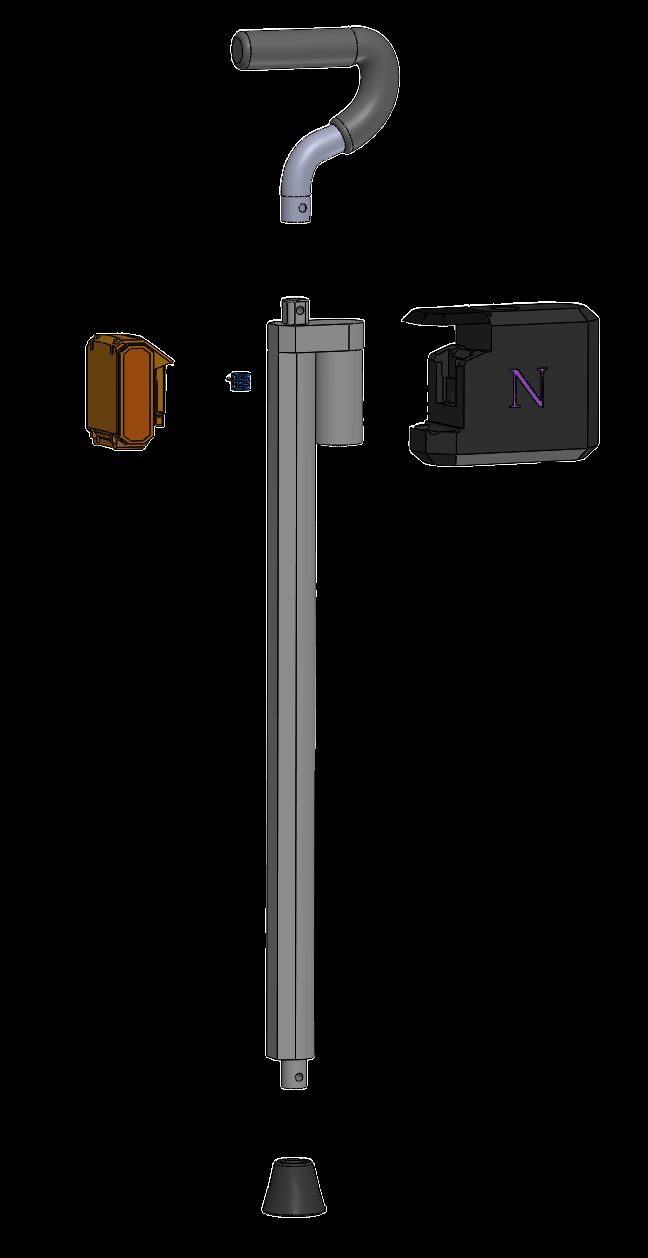
Exploded CAD view of the walking stick assembly
Exploded assembly, SolidWorks
PROJECT 06 / 06 · DESIGN THINKING & COMMUNICATION, NORTHWESTERN

EasyPourAutomatic Granular Dispenser

Team of 4, manufacturing & design lead COMPLETED · 12 WEEKS

Designed for a school serving students with limited motor skills, so they could take part in vocational pouring and dispensing tasks with more independence.

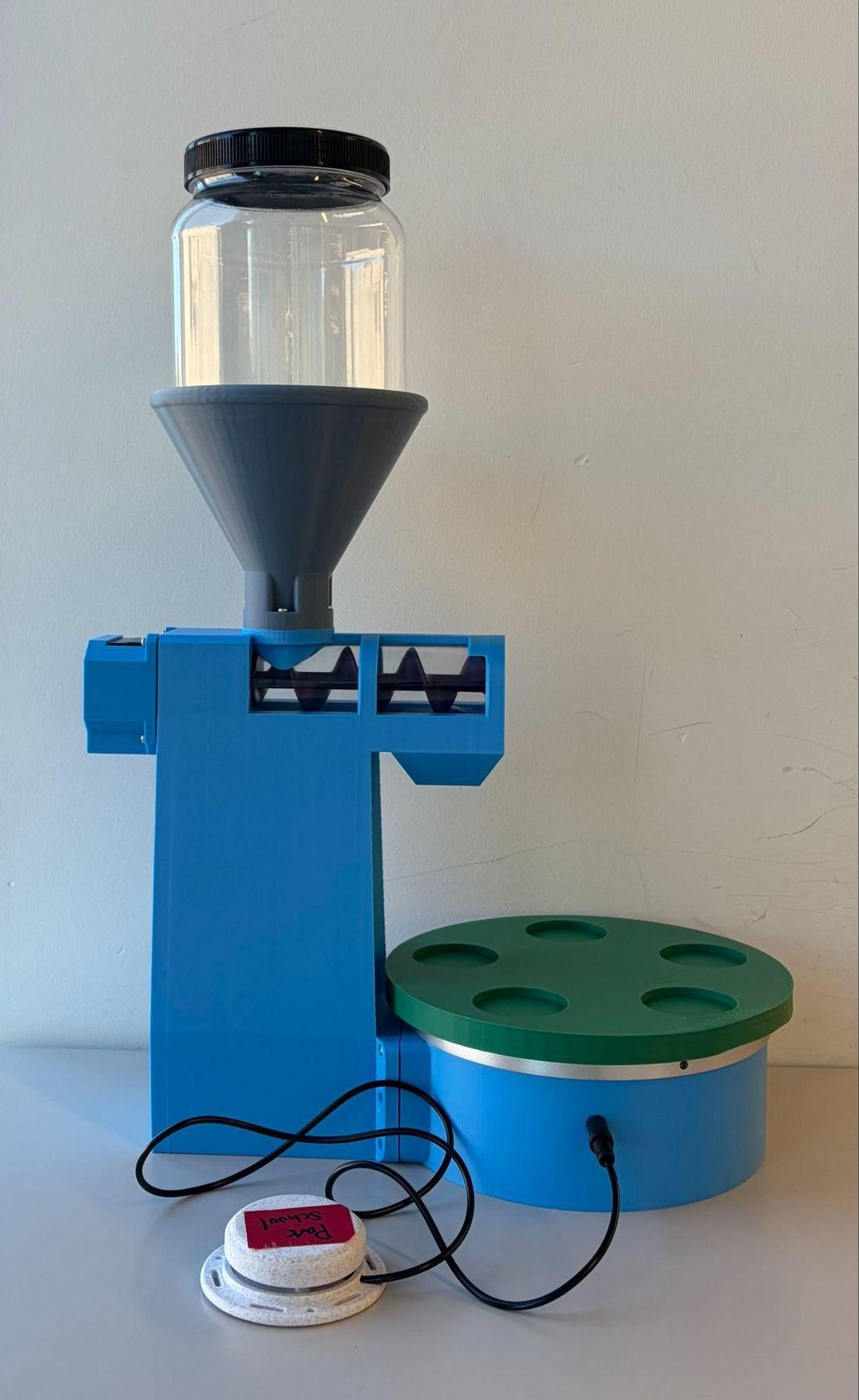
  • A stepper-motor-driven auger dispenses controlled quantities of material, and a lazy-susan turntable lets one hands-free fill multiple containers, and windows into the mechanism keep students engaged with how it works.
  • Contributed most to the design, printing, and manufacturing of the mechanical parts, including optimizing the auger and its stand for a smaller footprint and easy teardown for cleaning, and produced most of the CAD visuals for the client presentation.
5containers filled per cycle
2accessible switch inputs
$150build budget
SolidWorks 3D Printing Project presentation
Finished EasyPour automatic granular dispenser prototype
Finished EasyPour prototype
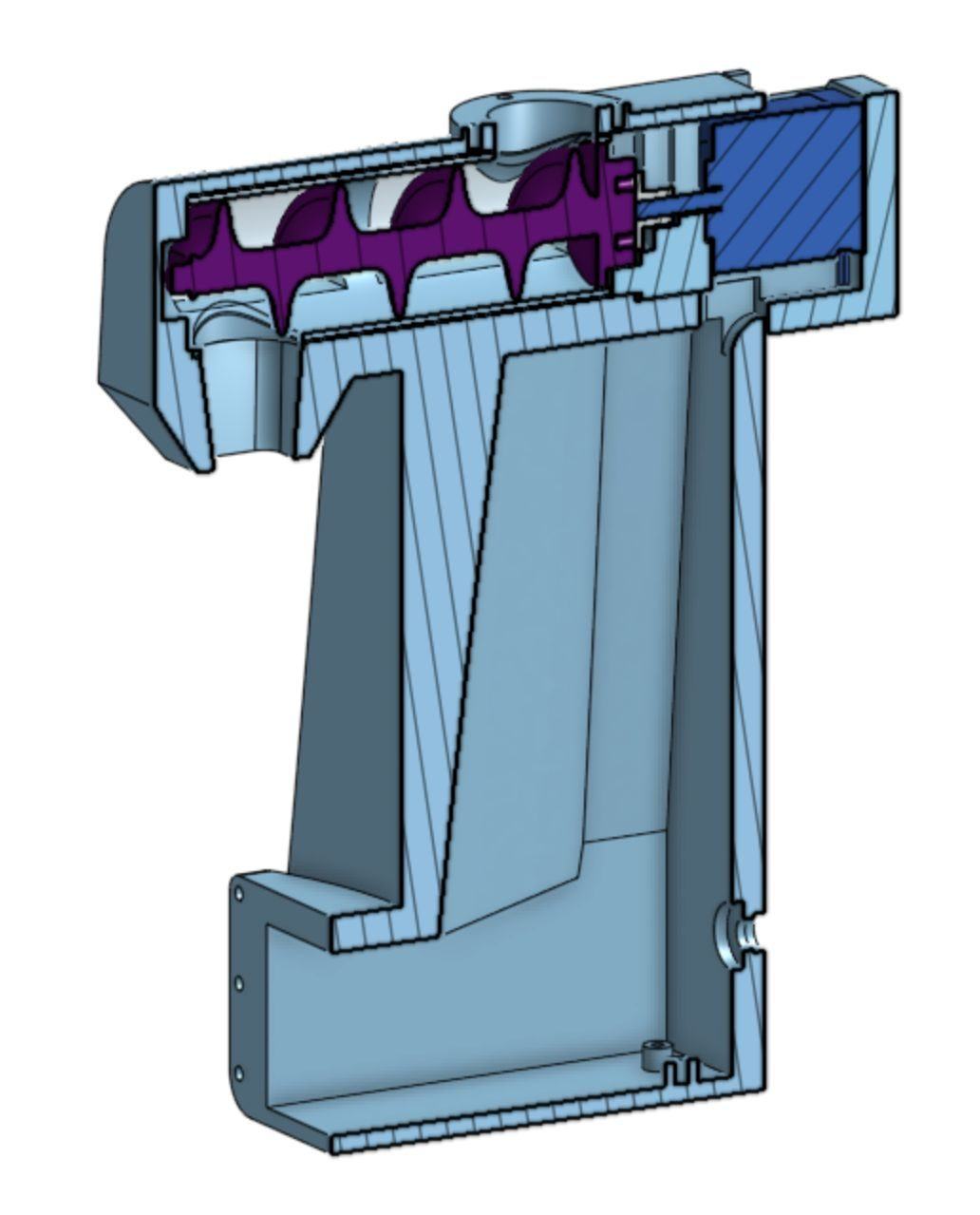
CAD cutaway of the auger and hopper mechanism
Auger and hopper, CAD cutaway
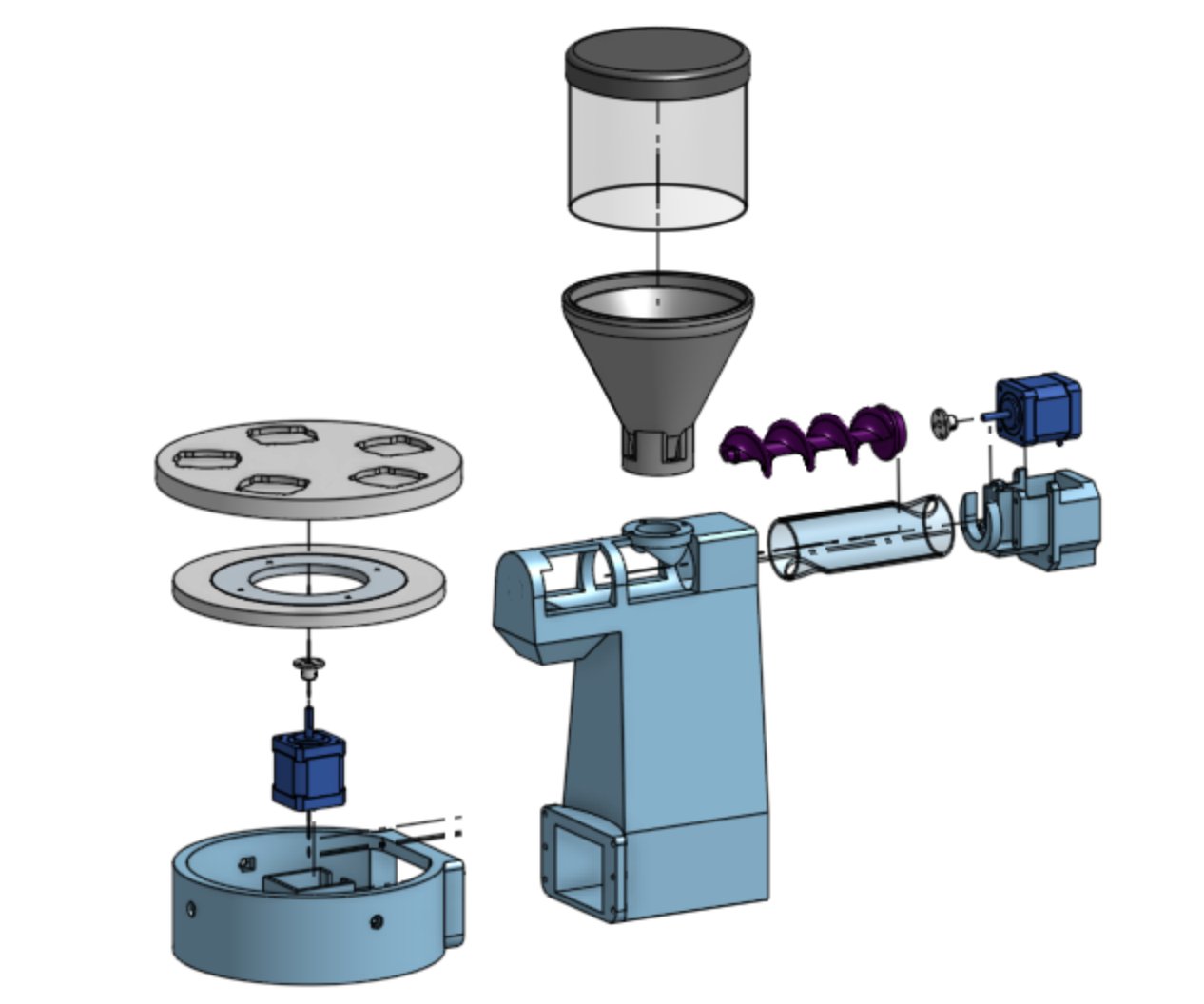
Exploded CAD view of the EasyPour assembly, showing the hopper, auger, motor, and lazy susan
Exploded assembly, SolidWorks
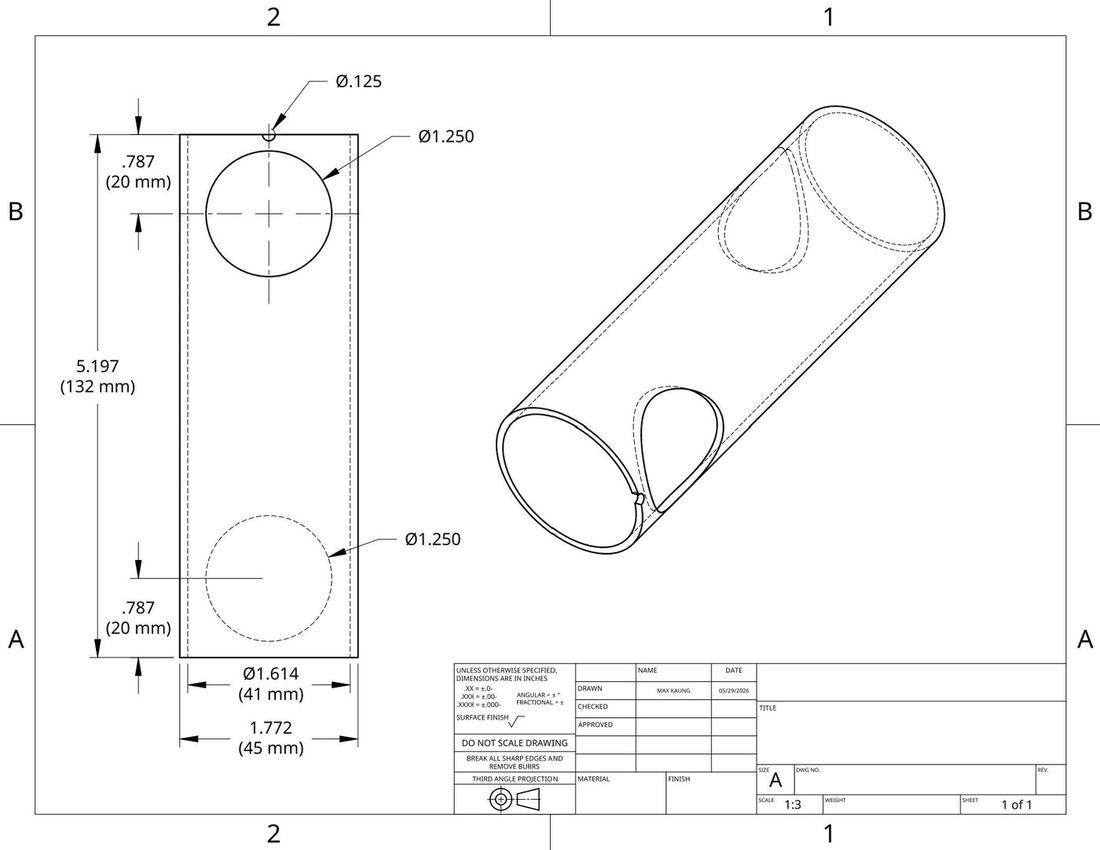
Engineering drawing of the auger housing
Auger housing, dimensioned drawing

About

I'm a Mechanical Engineering student at Northwestern, concentrating in aerospace, on the BS/MS track in Materials Science & Mechanical Engineering. I've been doing independent, curiosity-driven technical work since high school, carrying through into propulsion hardware, vehicle design, and CFD research today.

The dragon up top is mine too, folded by hand from a single sheet of paper. Founding the first origami club at my high school led to the paper folding research below, testing how bio-polymeric additives affect the paper properties that matter most for repeated folding.

SolidWorks ANSYS FEA OpenFOAM CFD MATLAB Complex Origami